A Toyota engineer demonstrating a prototype electric vehicle in 2023 plugged it into a fast charger and, within roughly ten minutes, had added enough range for a full day of driving. The car’s battery pack used a solid electrolyte instead of the liquid one found in nearly every lithium-ion battery on the market today, and that single material swap is what let it charge that fast without the safety concerns that would come with pushing a comparable current into a conventional pack.
The same underlying chemistry that automakers are racing to commercialize for cars is also being eyed by phone and laptop makers, for reasons that go beyond charging speed alone, touching everything from device thickness to how safely a battery survives years of daily wear and tear.
The Liquid Electrolyte Problem
Every lithium-ion battery works by shuttling lithium ions between two electrodes through a medium called an electrolyte, and in virtually every battery powering a phone, laptop, or electric vehicle today, that electrolyte is a flammable liquid solvent. It does the job well enough to have powered three decades of portable electronics, but it comes with real trade-offs that battery engineers have spent years trying to design around rather than solve outright.
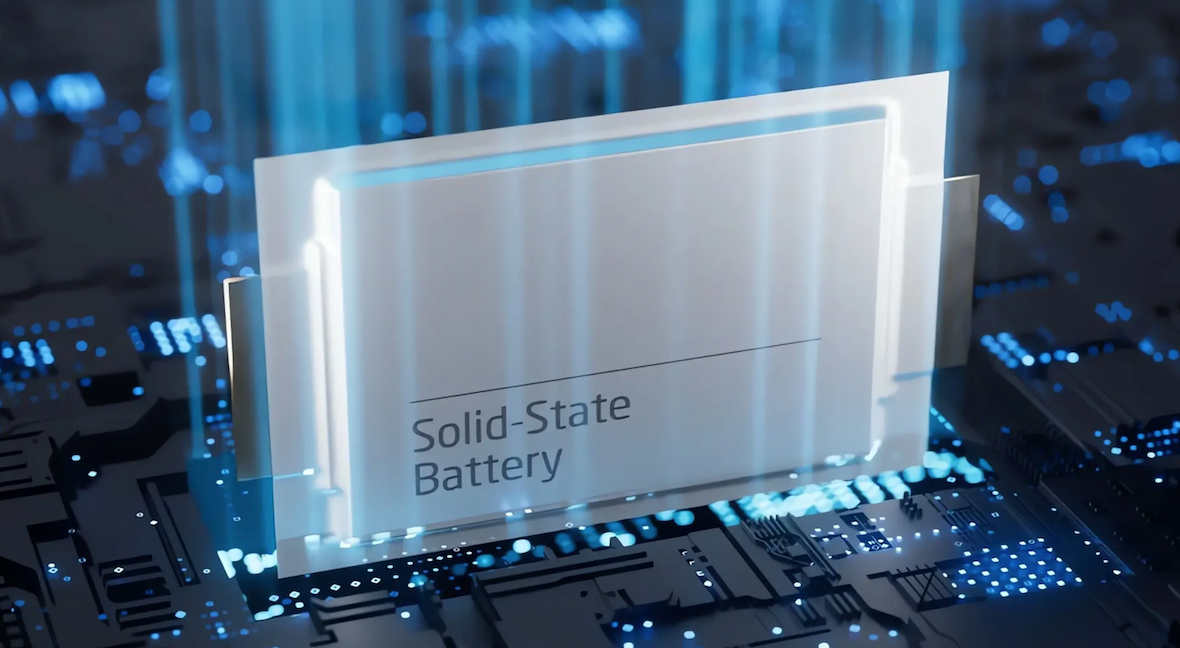
Liquid electrolytes are volatile under heat or physical damage, which is why a punctured or overheated lithium-ion battery can catch fire, and they also limit how densely energy can be packed into a given volume before safety margins get uncomfortably thin. Solid-state batteries replace that liquid electrolyte with a solid material, typically a ceramic, glass, or polymer compound, that still allows lithium ions to move between electrodes but without the flammability risk of a liquid solvent.
Because the electrolyte no longer needs to be a liquid capable of flowing around electrode materials, battery designers also gain more freedom in how a cell is physically shaped and stacked, opening design possibilities that liquid-filled cells never allowed for. The shift solves several problems at once rather than trading one limitation for another:
- Reduced fire risk: solid electrolytes don’t vaporize or ignite the way liquid solvents can under heat or puncture.
- Higher energy density: solid electrolytes allow for lithium metal anodes, which pack more energy into the same volume than the graphite anodes used in conventional batteries.
- Wider operating temperature range: some solid electrolyte materials remain stable across a broader temperature range than liquid electrolytes tolerate well.
- Potential for faster charging: certain solid-state chemistries can tolerate higher charge currents without the degradation that fast charging causes in liquid-electrolyte cells.
Manufacturing Hurdles Still Being Solved
The chemistry behind solid-state batteries has been known in research labs for years, but turning a lab demonstration into a manufacturable product at automotive or consumer electronics scale has proven far harder than the underlying science suggested it would be. Solid electrolytes need to maintain a nearly perfect, void-free contact with the electrode materials on either side to conduct ions efficiently, a requirement that’s simple to achieve in a small lab cell and dramatically harder to guarantee across millions of production units without expensive defects creeping in.
Dendrite formation remains one of the thornier unsolved problems. Lithium metal anodes, the same feature that gives solid-state batteries their energy density advantage, are prone to growing tiny metallic filaments called dendrites during repeated charge cycles, and if a dendrite grows far enough it can pierce the solid electrolyte and cause a short circuit. Companies working on the technology have approached this challenge from different angles:
- QuantumScape: developing a ceramic separator design specifically aimed at suppressing dendrite growth while maintaining high energy density.
- Toyota: pursuing a sulfide-based solid electrolyte, paired with decades of manufacturing expertise it hopes will ease the transition to mass production.
- Samsung SDI: working on solid-state cells aimed initially at premium electric vehicles before any consumer electronics application.
- ProLogium: a Taiwanese battery maker pursuing solid-state technology with partnerships extending into both automotive and consumer device markets.
Automotive Investment Leading the Charge
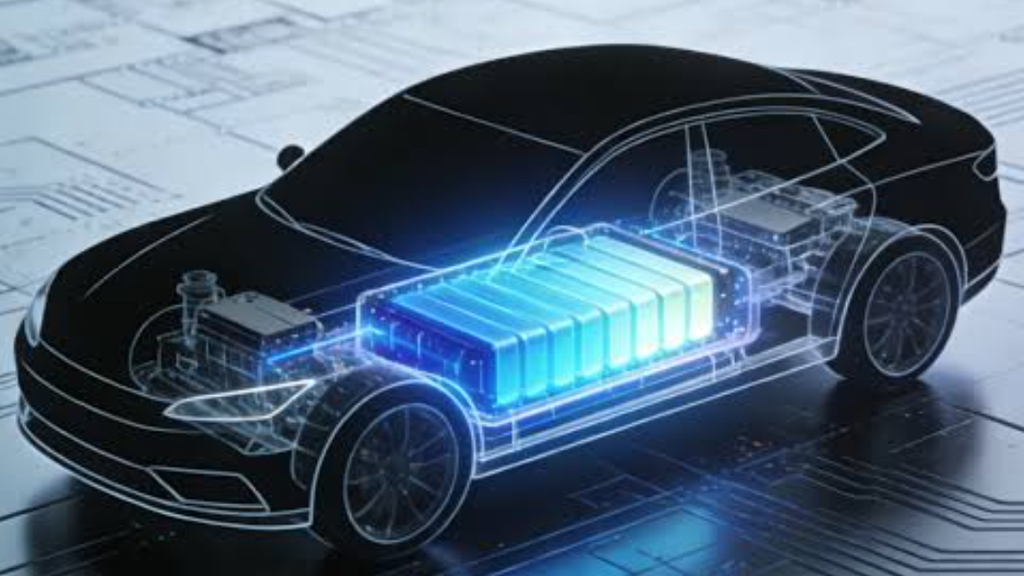
Electric vehicles have become the primary battleground for solid-state battery development, and that focus makes sense given how much a meaningful jump in energy density and charging speed could reshape the EV market’s biggest remaining objections. Range anxiety and charging time are still the two factors most commonly cited by consumers hesitant to switch from gasoline vehicles, and solid-state batteries directly target both at once in a way few other battery innovations have managed.
Toyota has been among the most vocal about its solid-state ambitions, announcing plans to bring the technology to production vehicles later in this decade after years of prototype development. Nissan, Honda, and several Chinese automakers including BYD have announced their own solid-state programs, each racing to be first to a truly differentiated battery advantage in an EV market that has increasingly commoditized around similar conventional lithium-ion specifications.
The capital committed to this race is enormous, with automakers and battery suppliers together investing billions of dollars into pilot production lines, betting that whoever solves manufacturing at scale first will hold a real competitive edge for years afterward.
What Solid-State Means for Phones and Laptops
Consumer electronics makers are watching the automotive solid-state race closely, since many of the same benefits that matter for an EV, higher energy density, faster charging, and better safety under physical stress, apply just as directly to a phone or laptop battery. A smartphone with a solid-state battery could theoretically pack more capacity into the same physical footprint, letting manufacturers either extend battery life without making a device thicker or shrink the battery’s footprint while keeping today’s battery life roughly the same.
Samsung, known for both its smartphone and battery manufacturing divisions, has publicly discussed solid-state research aimed at future mobile devices, and several component suppliers in the smartphone supply chain have started producing small-scale solid-state cells for wearables and other low-power devices as an early testing ground before tackling the higher demands of a flagship phone battery. The timeline for solid-state batteries reaching mainstream consumer electronics lags behind the automotive timeline, largely because automakers have been willing to absorb higher initial manufacturing costs that a price-sensitive phone market would resist passing on to consumers.
Laptop makers face a slightly different calculus than phone makers, since a laptop’s larger internal volume gives engineers more flexibility to experiment with early-generation solid-state cells that might still be bulkier per unit of energy than a fully optimized design. A few laptop manufacturers have already signaled interest in solid-state as a path toward thinner chassis designs without sacrificing the all-day battery life buyers have come to expect, treating the category as a natural second adopter after automotive rather than waiting for smartphones to lead the way.
Cost Barriers Before Mass Adoption
Manufacturing complexity translates directly into cost, and solid-state batteries remain far more expensive to produce per unit of energy storage than conventional lithium-ion cells, a gap that has to close before the technology becomes commercially viable beyond premium products. Specialized production equipment, tighter quality control tolerances, and lower manufacturing yields all add expense that conventional lithium-ion production, refined over three decades of scale, doesn’t carry to the same degree.
Industry analysts tracking the space generally expect costs to fall the way they did for conventional lithium-ion batteries, through a combination of manufacturing scale, process refinement, and material science improvements, but the timeline for reaching cost parity remains an open question. A few factors will likely determine how quickly that gap narrows:
- Production yield improvements: reducing the defect rate in solid electrolyte manufacturing is one of the largest current cost drivers.
- Raw material sourcing: some solid electrolyte formulations rely on materials that are currently more expensive or less widely available than those used in conventional batteries.
- Manufacturing scale: dedicated gigafactory-scale production, similar to what conventional lithium-ion battery makers built over the past decade, hasn’t yet been achieved for solid-state cells.
- Competing chemistry improvements: conventional lithium-ion technology keeps improving too, meaning solid-state batteries are chasing a moving cost and performance target rather than a fixed one.
- Timeline Expectations and Industry Skepticism
Battery technology has a long history of promising breakthroughs that took far longer to reach the market than initial announcements suggested, and solid-state batteries have already followed that pattern to some degree. Several companies announced ambitious commercialization timelines in the early 2020s that have since slipped by a few years, a reminder that moving from a working prototype to reliable mass production at automotive-grade quality standards is a harder engineering problem than headline announcements tend to convey.
That skepticism doesn’t mean the technology isn’t progressing, though. Toyota, QuantumScape, and several Chinese battery makers have all reported meaningful milestones in pilot-scale production over the past couple of years, and most industry analysts now expect limited commercial solid-state battery deployment in premium electric vehicles before the end of the decade, with broader consumer electronics adoption following a few years after that.
The gap between early adopter product announcements and real mass-market availability at accessible pricing is likely to stretch out longer than optimistic early projections suggested, which is a familiar pattern for battery chemistry transitions of this scale.
Weighing Solid-State Against Current Alternatives
Solid-state isn’t the only battery innovation competing for attention, and it’s worth situating it against other improvements already shipping or close to shipping in consumer products. Silicon-anode batteries, which replace some or all of the graphite in a conventional lithium-ion anode with silicon, offer a meaningful energy density boost without requiring an entirely new electrolyte system, making them a nearer-term upgrade path that several premium smartphone makers have already started shipping.
Lithium iron phosphate batteries, meanwhile, trade some energy density for lower cost and better longevity, and have gained ground in electric vehicles where cost matters more than squeezing out maximum range.
- Silicon-anode batteries: a nearer-term upgrade already appearing in premium phones, offering a real but more modest density gain than full solid-state chemistry.
- Lithium iron phosphate: prioritizes cost and cycle life over maximum energy density, popular in budget and mid-range electric vehicles.
- Solid-state: the largest potential leap in safety and density, but still the furthest from mass-market affordability among these options.
- Semi-solid-state hybrids: an intermediate approach some manufacturers are shipping now, using a gel-like electrolyte that captures some solid-state benefits without the full manufacturing complexity.
Supply Chains and Raw Material Pressure
Solid-state batteries don’t just change how a cell is built, they also shift what raw materials matter most to the supply chain behind it. Conventional lithium-ion batteries rely heavily on graphite anodes and liquid electrolyte solvents produced through a well-established, decades-old supply chain concentrated largely in China.
Solid-state chemistries lean instead on materials like lithium metal, specialized ceramic compounds, and in some formulations, sulfide-based electrolytes that require careful handling due to their sensitivity to moisture, none of which yet have the same mature, high-volume production infrastructure that conventional battery materials enjoy.
That immaturity creates both risk and opportunity depending on where a company sits in the supply chain. Automakers and battery makers investing early in solid-state production are, in effect, also investing in building out entirely new upstream supply relationships for materials that barely have a commercial market today. A few supply chain dynamics are shaping how that plays out:
- Lithium metal availability: producing battery-grade lithium metal at scale is a different manufacturing process than the lithium compounds used in conventional batteries, and current global capacity is limited.
- Geographic concentration risk: several key solid-state material suppliers are concentrated in a small number of countries, raising the same geopolitical supply concerns that have affected conventional battery materials.
- New refining and processing capacity: companies across Japan, South Korea, and the United States have announced investment in processing facilities specifically aimed at solid-state-grade materials.
- Recycling considerations: solid-state battery recycling processes are still being developed, since the material composition differs enough from conventional batteries that existing recycling infrastructure isn’t a direct fit.
Governments have taken notice of these dynamics, with the United States, European Union, and Japan each including solid-state battery supply chain development in broader industrial policy aimed at reducing dependence on any single country for critical battery materials, a concern that predates solid-state technology but has become more pointed as the next generation of batteries approaches commercial reality.
Final Thoughts
Solid-state batteries represent one of the more consequential shifts in energy storage in decades, promising real gains in safety, charging speed, and energy density over the liquid-electrolyte chemistry that has powered consumer electronics and electric vehicles alike since the 1990s.
The science has been demonstrated repeatedly in labs and pilot production lines, but the harder work of manufacturing the technology reliably at scale, and at a price close to conventional batteries, is still very much in progress. Automakers are likely to see the technology reach the road before phone and laptop makers bring it to consumer electronics, given the higher price tolerance in premium vehicles compared to price-sensitive gadgets.
Patience is warranted, but the underlying chemistry looks like the clearest path forward for batteries that current lithium-ion technology hasn’t been able to deliver on its own. Anyone shopping for a phone, laptop, or electric vehicle today shouldn’t hold off waiting for solid-state to arrive, but it’s worth watching as the technology most likely to define the next real leap in how long a device runs and how quickly it recharges.
Frequently Asked Questions
When will solid-state batteries be available in consumer phones?
Most industry estimates point to limited automotive deployment happening first, likely before the end of the decade, with consumer electronics adoption following a few years later as manufacturing costs come down. Small-scale use in wearables and niche devices may appear earlier than in flagship smartphones.
Are solid-state batteries safer than current lithium-ion batteries?
Yes, largely because they eliminate the flammable liquid electrolyte responsible for most lithium-ion battery fires. The solid electrolyte materials used instead are far less prone to igniting under physical damage or thermal stress.
Why are solid-state batteries so expensive to make right now?
Manufacturing them requires specialized equipment and tighter quality control than conventional lithium-ion production, and current yields are lower due to the difficulty of maintaining consistent contact between solid materials at a microscopic level. Costs are expected to fall as production scales up, following a pattern similar to earlier lithium-ion battery cost reductions.
Which companies are leading solid-state battery development?
Toyota, QuantumScape, Samsung SDI, and ProLogium are among the most prominent companies pursuing the technology, each with different chemistry approaches and target markets. Automakers currently lead the investment given the larger potential impact on electric vehicle range and charging speed.
Do solid-state batteries charge faster than regular lithium-ion batteries?
Many solid-state chemistries can tolerate higher charging currents without the same degradation risk that fast charging causes in liquid-electrolyte batteries, which is why several automotive demonstrations have shown notably quicker charge times. Real-world charging speed still depends on the specific chemistry and the charging infrastructure available.
What is the difference between solid-state and semi-solid-state batteries?
Semi-solid-state batteries use a gel-like electrolyte that captures some of the safety and density benefits of a true solid electrolyte while being easier to manufacture with existing production techniques. They represent a middle step some companies are shipping now, ahead of full solid-state commercialization.