
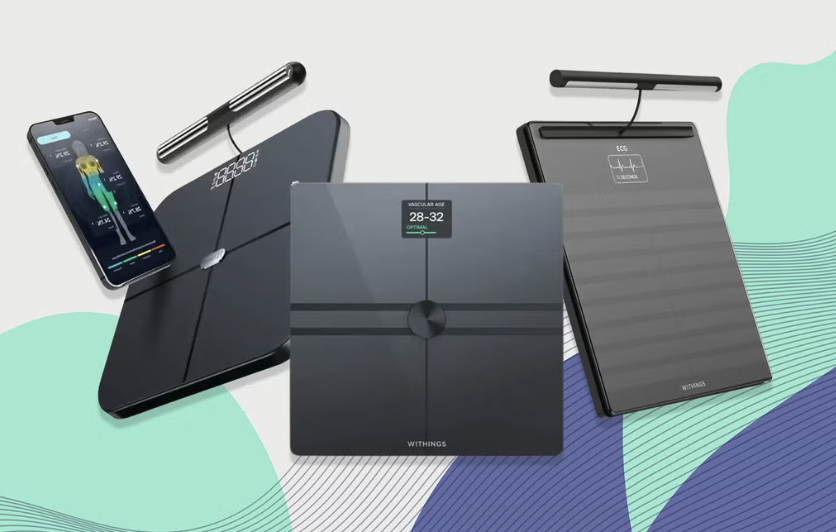
A smart scale promises far more than just a simple number on a display, listing body fat percentage, muscle mass, bone density, and sometimes a dozen other metrics after just a single step onto the platform. The sheer volume of data can feel impressive at first glance, but not every number carries the same level of accuracy or real usefulness for a typical household.
This guide breaks down what smart scales measure beyond total weight, explains the technology behind those extra numbers, covers the accuracy limits worth knowing, and walks through app syncing, multi-user household profiles, and picking a scale that matches personal goals.
What Smart Scales Measure Beyond Weight
Total body weight remains the one measurement every scale, smart or plain and simple, gets right with reasonable, dependable consistency. The additional metrics all come from estimations built on top of that one basic weight reading each time.
- Body fat percentage: An estimate of how much of total body weight comes from fat tissue versus everything else, calculated through a weak electrical signal passed quickly through the body.
- Muscle mass: An estimate of lean muscle tissue, often derived from the same underlying bioelectrical measurement used for body fat calculation on the same device.
- Bone mass: A rough estimate of skeletal weight, generally treated by most experts as one of the less precise numbers a smart scale produces for a typical user.
- Water percentage: An estimate of total body water, which fluctuates throughout the day based on hydration, food intake, recent physical activity, and even the ambient room temperature at the time of measurement.
- Visceral fat rating: A score meant to represent fat surrounding internal organs, calculated through the same electrical method as the other body composition numbers on the device.
Why Total Weight Remains the Single Most Reliable Number
Weight measurement relies on simple mechanical or load-cell technology that has been refined for decades, making it far more dependable than the body composition estimates layered on top. Those additional numbers depend on assumptions about a person’s body that may not hold true for every individual, which is why total weight remains the figure worth trusting most when tracking changes over time.
How Load Cells Really Function
Most digital scales, smart or basic, rely on small sensors called load cells that flex slightly under weight and convert that flex into an electrical signal proportional to the force applied. This technology has been standard in bathroom scales for decades, refined to the point where a quality scale rarely drifts more than a fraction of a pound from true weight under normal household conditions. Placing a scale on a hard, flat floor rather than carpet improves load cell accuracy, since an uneven surface can cause a reading to vary slightly between uses even when true weight has not changed.
Bioelectrical Impedance Explained
Nearly every consumer smart scale estimates body composition using a method called bioelectrical impedance analysis, which sends a weak, imperceptible electrical signal through the body and carefully measures how quickly that signal travels.
- How the signal travels: Muscle and water conduct electricity more easily than fat does, so the speed of the signal helps estimate the overall ratio of fat to lean tissue in the body.
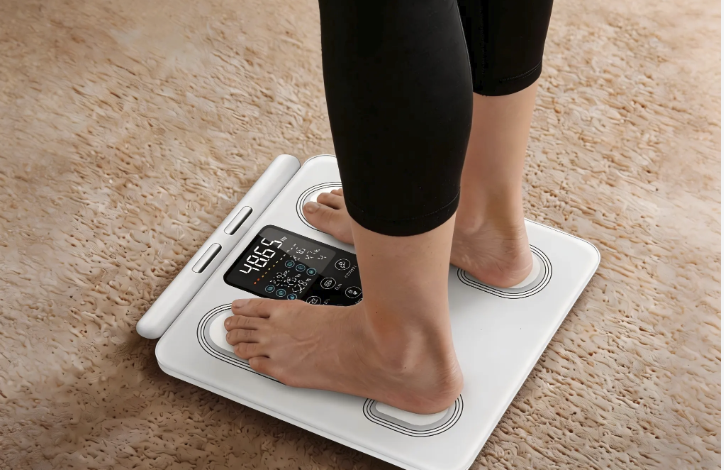
- Foot-to-foot measurement: Most home scales only measure the signal traveling between the two feet, limiting the estimate largely to lower-body tissue composition rather than the whole body at once.
- Hand-to-foot measurement: Some scales add hand sensors or a connected grip device, sending the signal through more of the body for a broader, fuller reading overall.
- Calibration against known standards: Scale manufacturers calibrate their algorithms against clinical body composition tools, though consumer-grade accuracy still falls short of those more rigorous reference methods used in labs.
Factors That Distort the Signal
Hydration level has an outsized effect on bioelectrical impedance readings, since water conducts electricity differently depending on how much is present in body tissue at the moment of measurement. Taking a reading first thing in the morning, before eating, drinking, or exercising, produces more consistent results day to day than measuring at random times, since those activities shift hydration and temporarily skew the electrical reading.
Other Factors That Affect Readings
Temperature plays a role too, since cold feet can slightly alter skin conductivity and throw off a bioelectrical impedance reading compared to warm, relaxed feet pressed firmly against the scale’s sensors. Standing on the scale immediately after a workout, when blood flow and hydration patterns have shifted from exertion, tends to produce noticeably different numbers than a reading taken under calm, resting conditions.
Even something as simple as standing still for a few extra seconds rather than stepping off immediately can improve the consistency of a reading, giving the sensors a brief moment to settle into a stable measurement.
Accuracy Limits Worth Knowing
Consumer smart scales are convenient and inexpensive compared to clinical body composition tools, but that convenience comes with real tradeoffs in precision that are worth setting expectations around.
- Day-to-day fluctuation: Body composition numbers can swing noticeably between consecutive days due to hydration and digestion alone, even when real body composition has not changed at all underneath.
- Population-based algorithms: Many scales use broad general population data to estimate body composition, which can be less accurate for people whose body type falls well outside that typical reference range used.
- Clinical comparison gaps: Research comparing consumer scales against clinical methods like DEXA scans often finds real, measurable differences, especially in body fat percentage estimates.
- Athletic body types: Very muscular or very lean individuals tend to see noticeably larger accuracy gaps, since algorithms calibrated for average body composition struggle with outlier physiques of this kind.
Using Long-Term Trends Instead of Single Readings
Rather than treating any single scale reading as a precise medical measurement, tracking the general direction of body composition numbers over weeks and months gives a more useful picture than fixating on one day’s result.
A body fat percentage that trends downward over two months, even if the exact number carries some error, still reflects a real change worth noting, which matters more than whether any individual reading hits an exact clinical figure.
Building a Consistent Daily Measurement Routine
Building a simple, repeatable routine around when and how a measurement gets taken removes much of the day-to-day noise that makes smart scale data confusing to interpret. Weighing at the same time each day, wearing similar clothing or none at all, and measuring before rather than after a meal all help produce numbers that compare fairly against each other over time.
Writing down or photographing the exact conditions used for a baseline measurement, then replicating those conditions going forward, gives trend data far more value than treating every single measurement as an independent, standalone data point.
App Syncing and Data Tracking
Most smart scales pair with a companion app over Bluetooth or Wi-Fi, automatically logging each measurement and building a history that would be tedious to track by hand.
- Automatic logging: Stepping on the scale sends data directly to the app without needing to manually record anything by hand, removing a common barrier to consistent long-term tracking.
- Trend graphs: Visualizing weight and body composition over weeks or months makes slow, gradual changes much easier to notice than staring at isolated daily numbers alone.
- Integration with fitness apps: Many smart scale apps sync with broader fitness or nutrition tracking platforms, consolidating all that data in one place rather than scattering it across several separate apps.
- Data export options: Some apps allow exporting historical data as a spreadsheet, useful for anyone wanting to analyze their own numbers independently or share the file directly with a healthcare provider.
Privacy Considerations for Health Data
Body composition data counts as sensitive personal health information, so checking a scale manufacturer’s privacy policy before syncing years of accumulated data to a cloud account is a reasonable precaution worth taking.
Some apps offer a local-only mode that skips cloud syncing entirely, trading convenience for keeping sensitive health metrics stored only on a personal device rather than a company’s servers.
Deciding What Data to Share With Third Parties
Many smart scale apps offer optional integrations with employer wellness programs, insurance incentive platforms, or third-party nutrition services, each requesting permission to access stored body composition data.
Reviewing exactly what data each integration pulls, and for how long it remains accessible after a connection is removed, helps avoid sharing more personal health history than intended. Revoking access to an integration no longer in active use, rather than leaving old connections open indefinitely, is a reasonable habit for keeping long-term control over sensitive body composition records.
Multiple User Profiles and Households
A single smart scale often serves an entire household, and recognizing each person automatically matters for keeping everyone’s data organized and accurate.
- Automatic user recognition: Many scales can distinguish between household members based on weight and body composition patterns, assigning a reading to the correct profile without needing any manual selection at all.
- Manual profile selection: Some apps require selecting a profile before stepping on the scale, which avoids misattributed readings but adds one small extra step before each measurement.
- Guest mode: A temporary reading option lets a visitor check their weight without creating a permanent profile or being accidentally mistaken for an existing household member’s profile.
- Separate goals per profile: Each household member can set their own individual targets for weight or body composition, keeping personal goals private from other users sharing the same device.
Children and Smart Scales
Body composition algorithms are generally calibrated for adult bodies, so readings for children can be far less reliable than for grown household members. Pediatric guidance on tracking a child’s weight and growth typically comes from a doctor using growth charts designed specifically for developing bodies, rather than a consumer smart scale built with adult physiology in mind.
Setting Appropriate Profiles for Teens
Teenagers occupy a gray area, since their bodies are still developing but a smart scale’s algorithm may apply adult assumptions once a certain height or weight threshold is reached. Some apps let a parent set an age-appropriate profile for a teen household member, which can adjust certain calculations, though even these adjusted estimates still carry more uncertainty than a reading for a fully grown adult.
Framing any smart scale number for a teenager as a loose trend rather than a precise target avoids placing undue weight on numbers that carry extra uncertainty during a period of ongoing physical development.
Choosing a Scale for Your Goals
Not every household needs every feature a smart scale offers, and matching a purchase to real, stated goals avoids paying for capabilities that will go unused.
- Basic weight tracking: For anyone who just wants a reliable weight trend over time, a simple scale with Bluetooth syncing and clean trend graphs covers the need well without extra unnecessary complexity.
- Body composition tracking: Those interested in tracking fat and muscle changes alongside weight should prioritize a scale with hand sensors for more complete bioelectrical readings over time.
- Multi-user households: Families should look specifically at automatic user recognition quality, since misattributed readings create confusing, unreliable trend data for everyone involved over time.
- Integration needs: Anyone already using a specific fitness or nutrition app should check compatibility carefully before buying, since not every scale syncs with every popular platform available today.
Reading reviews that specifically discuss a scale’s app experience and syncing reliability, rather than focusing only on the hardware itself, often reveals more about long-term satisfaction than the sensor specifications alone.
Budget Versus Premium Scale Features
A budget smart scale typically covers weight tracking and basic body fat estimation through Bluetooth syncing, which satisfies most casual users who want simple trend data without extra complexity. Premium scales add hand sensors, more detailed body composition breakdowns, faster syncing, and sometimes integration with a wider range of third-party health platforms.
The price jump between these tiers often reflects the added sensor hardware and software polish rather than a dramatic leap in core accuracy, so shoppers chasing precision above all else may be better served putting that budget toward a clinical body composition assessment instead of a pricier consumer scale.
Final Thoughts
A smart scale delivers its most reliable value through consistent weight tracking over time, while the additional body composition numbers work best as rough directional trends rather than precise clinical measurements.
Knowing how bioelectrical impedance works, and what throws off its readings day to day, helps set realistic expectations before relying heavily on any single number shown on screen.
Matching scale features, from hand sensors to multi-user profiles, to real household needs avoids overspending on capabilities that will simply go unused for years.
Used with a clear sense of its real strengths and limits, a smart scale becomes a truly useful piece of a broader health routine rather than a source of daily stress over small, expected fluctuations.
Frequently Asked Questions
How accurate are smart scale body fat readings compared to clinical tests?
Smart scales typically show a real gap compared to clinical methods like DEXA scans or hydrostatic weighing, sometimes differing by several percentage points in body fat estimates. They work better as a tool for tracking personal trends over time than as a source of precise, clinically accurate numbers suitable for medical decision-making or diagnosis.
Why does my weight fluctuate so much day to day?
Daily weight fluctuations of a pound or more are normal and usually come from water retention, food still being digested, and the timing of bathroom visits rather than real fat gain or loss. Weighing at the same time each day, ideally in the morning before eating or drinking, reduces some of this noise and makes trends easier to spot over a span of weeks rather than from one day to the next.
Can a smart scale work without a smartphone?
Most smart scales display basic weight on their own screen without needing a phone nearby, but accessing body composition data, trend history, and multi-user profiles typically requires the companion app. A household without reliable smartphone access might be better served by a simpler digital scale that shows weight alone, since much of a smart scale’s added value depends entirely on that paired app connection.
Do smart scales work accurately for pregnant individuals?
Body composition algorithms are not designed to account for the major physiological changes during pregnancy, so readings beyond basic weight should be treated with real skepticism during this time. Many manufacturers explicitly note in their documentation that body composition features are not intended for use during pregnancy, and relying on a doctor’s guidance remains the far more appropriate approach for tracking health during this period.
Is it worth buying a scale with hand grip sensors for a more complete reading?
A scale with hand sensors sends the electrical signal through more of the body, generally producing a more complete estimate than foot-only measurement, though it still falls short of clinical accuracy. For anyone seriously tracking body composition changes over time, the added cost of hand sensors can be a reasonable investment, especially for someone pursuing a structured fitness or weight management program over several months.
How often should body composition be measured for the most useful tracking?
Measuring at a consistent time, such as first thing in the morning, once a day or a few times a week tends to produce more useful trend data than inconsistent, random measurements throughout the week. Consistency in timing and conditions matters more for useful tracking than the raw frequency of measurements taken, so a few well-timed readings each week often beat obsessive daily checks taken under varying conditions.