
Sustainability has evolved into a strategic imperative for businesses worldwide. With mounting pressure from investors, regulators, and customers, companies must demonstrate genuine commitment to environmental, social, and governance (ESG) principles. The right ESG management platform transforms this challenge into an opportunity, offering tools to collect data, track progress, ensure compliance, and drive meaningful change. Here’s an in-depth look at the must-have features that set top-tier solutions apart.
1. A Centralized Data Command Center
Fragmented data across spreadsheets and silos is a common ESG pitfall. Leading platforms consolidate inputs from finance, operations, HR, supply chains, and more into a single, secure hub.
This unified view eliminates errors, boosts accuracy, and enables holistic analysis of your carbon footprint, diversity metrics, or governance risks.
2. Intuitive, Interactive Dashboards for Storytelling with Data
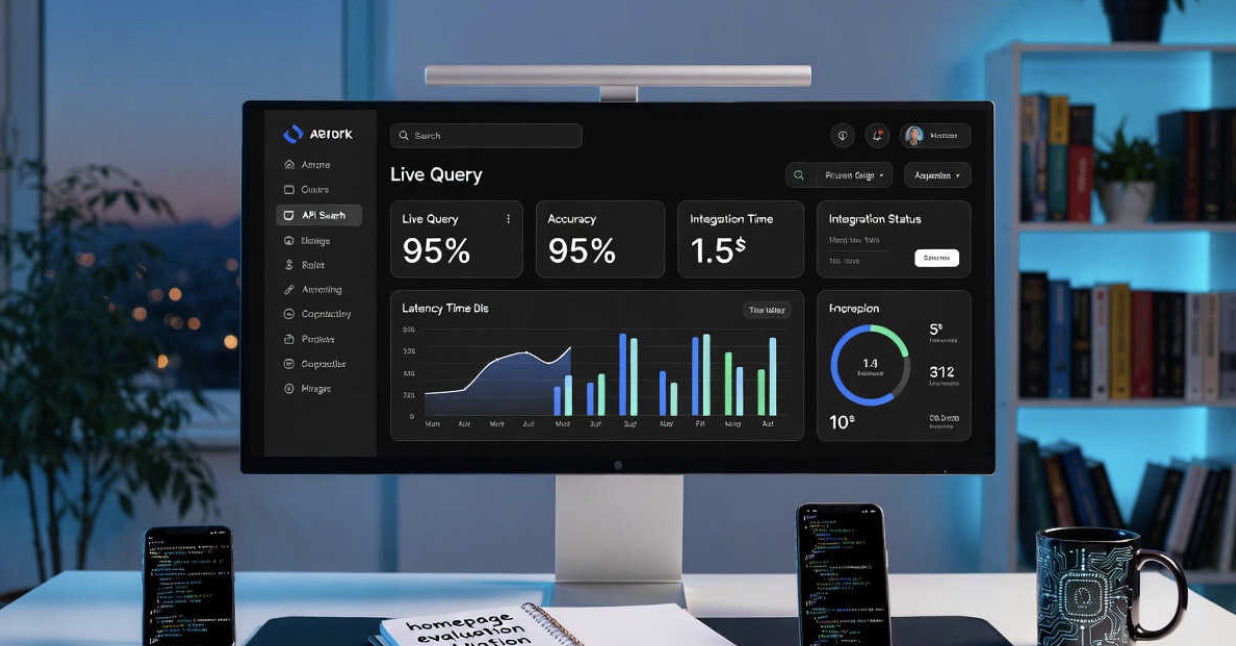
Turn complex ESG metrics into compelling visuals. Customizable dashboards with charts, gauges, and heat maps make it easy to spot trends, benchmark performance, and communicate progress to boards or stakeholders.
3. Proactive Compliance Tracking and Alerts
Navigating evolving regulations (like EU CSRD or IFRS) is daunting. Built in trackers monitor changes, send timely alerts, and map requirements to your data for seamless reporting.
4. Automated Workflows to Boost Efficiency
Manual processes slow everything down. Automation handles data ingestion, validation, task assignments, and report generation, freeing teams for strategic work.
5. Predictive Analytics for Anticipating Tomorrow
Go beyond reporting, forecast risks and opportunities. AI powered insights predict emission trends, resource demands, or regulatory impacts, enabling proactive strategies.
6. Built for Scale and Seamless Integration
As your business grows, your ESG tool must keep pace. Look for cloud based scalability, API integrations with ERP/CRM systems, and adaptability to new standards.
Embracing these features positions your organization not just to comply, but to lead in responsible business. It’s about turning sustainability into a driver of innovation, resilience, and long-term value, for your company, society, and the planet.