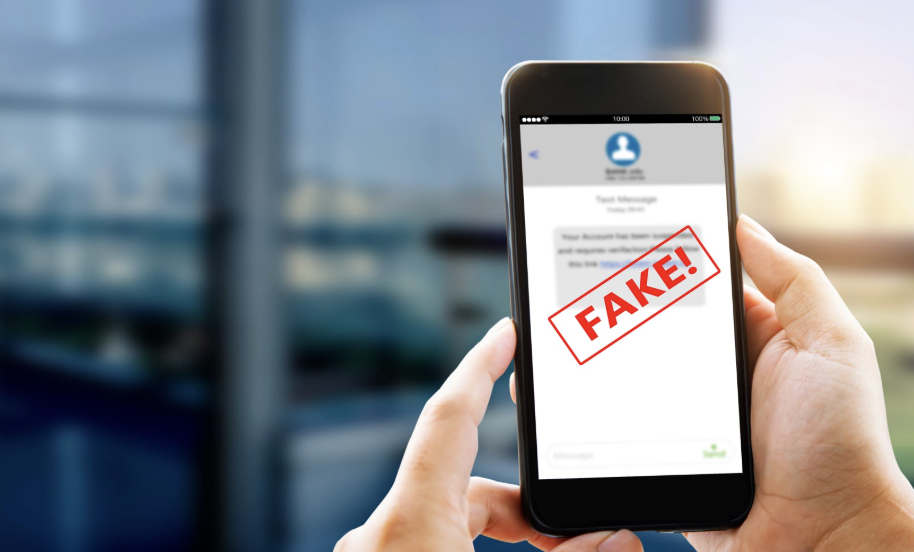
A toll text scam is a message claiming you owe a small unpaid toll and must pay through a link right away. Do not tap it. The safe move is to ignore the text and check your real toll account yourself, using the agency’s official app or an address you type in. These messages matter because they look routine and push you to act before you think.
In this article, we will explore the red flags, what to do first based on your actions, and how to report it.
The FTC Warning on the Toll Text Scam
The Federal Trade Commission, the US consumer protection agency, published a consumer alert on May 7, 2026, warning about fake toll and delivery texts. The pattern is simple: a text says you owe a small fee or face a penalty, and a link takes you to a page built to collect your payment details. This article is based on US guidance, and agency names and reporting channels differ in other countries.
The FTC also treats text scams as a major and growing channel for fraud, and it has published a Data Spotlight on the subject. Be aware that the spotlight covers reports made in 2024, so it is older data. I am not quoting its figures here, because the exact numbers are best read on the FTC’s own pages. The sources support the direction of the trend, not a precise size for this year’s toll text scam problem, and they do not say whether any single text belongs to a known campaign.
Red Flags That Mark a Fake Toll or Delivery Text
Scammers rely on speed, so scan for a few tells every time. One red flag is a reason for caution, and two or more is a reason to delete the message.
| Red flag | What it looks like | Safer move |
| Unexpected message | A toll or package you do not remember, from a number you never gave the agency | Ignore it and check your account directly |
| Urgency | A deadline, a late fee or a threatened penalty | Real agencies rarely demand payment through a text link, so pause |
| Link to pay | A button or web address in the text itself | Do not tap; type the official address yourself or use the app |
| Spoofed sender | A familiar name, a short code or a number that looks local | Sender names can be faked, so trust nothing from the header |
| Small amount | A fee small enough to pay without thinking | Small does not mean safe; the real goal may be your card data |
| Unusual payment method | A request for gift cards, wire transfers, payment apps or cryptocurrency | Never pay this way on demand |
This is general guidance rather than an official list, but it matches the advice consumer agencies give. A good rule of thumb: if the text asks for money and gives you a link, treat it as suspect, however accurate the toll name or logo looks.
How to Check a Real Toll Balance
Open the official toll agency’s own app, or type its website address into your browser from memory or from a bill you already trust. Your account will show any real balance. If nothing is owed there, the text was fake.
Your First Move, by What You Did
The right response depends on how far you went. The sequence below is general information based on common FTC-style advice. Your card issuer, bank or IT provider can advise on your own situation, and rules may differ outside the US.
| What you did | Do this first | Then |
| Ignored the text | Do nothing further; do not reply, not even with STOP | Forward it to 7726 (SPAM), then delete it |
| Clicked the link only | Close the page and do not enter anything | Run your phone’s security scan, watch for odd behavior and report the text |
| Entered a card number | Call the card issuer right away using the number on the card | Ask about blocking the card and disputing any charges, and watch statements |
| Entered a password | Change that password at once on the real site | Change it everywhere you reused it and turn on two-step verification |
If You Entered a Card Number
Speed matters. Call the card issuer on the number printed on the card, never one from the text, and ask about blocking the card and any unfamiliar charges.
If You Entered a Password
Change it on the official site, not through the text, and change it anywhere you reused it, because scammers try stolen passwords on other accounts.
Reporting the Scam Properly
Reporting is quick and helps others. Take a screenshot before deleting if you plan to report, since it keeps the sender and wording. Forward the message to 7726 (SPAM), which is a free reporting number used in the US. Then file a report with the FTC through its ReportFraud page.
Never pay anything because a message demanded it. If you did pay through gift cards, a wire transfer, a payment app or cryptocurrency, contact the company or bank involved immediately, since these methods are hard to reverse.
Conclusion
Toll and delivery texts work because they are small, urgent and plausible. Your best defense is a fixed habit: never tap, check the official app, and report.
If you already acted, the table above shows the order that limits damage. A calm, quick response matters more than embarrassment.
Frequently Asked Questions
How Do I Know if a Toll Text Is Real?
Check your balance in the official toll agency’s app or on its website, typed in yourself. If your account shows nothing owed, the text is fake. Real agencies do not usually ask for payment through a link in a text.
Should I Reply STOP to a Scam Text?
No. Replying can confirm your number is active and invite more messages. Forward the text to 7726 (SPAM) and delete it.
Can I Get Hurt Just by Clicking a Link in a Scam Text?
Clicking is usually less harmful than entering details, but it can still lead to risky pages. Close the page, enter nothing and download nothing. If your device acts oddly afterward, ask your IT provider or phone maker.
Should I Call My Bank if I Gave a Scammer My Card Number?
Call your card issuer using the number on the card and explain what happened. Ask about blocking the card and disputing charges, then watch your statements.
Where Do I Report a Toll Text Scam?
Forward the message to 7726 (SPAM) and report it to the FTC through its ReportFraud page. Take a screenshot first if you want a record.