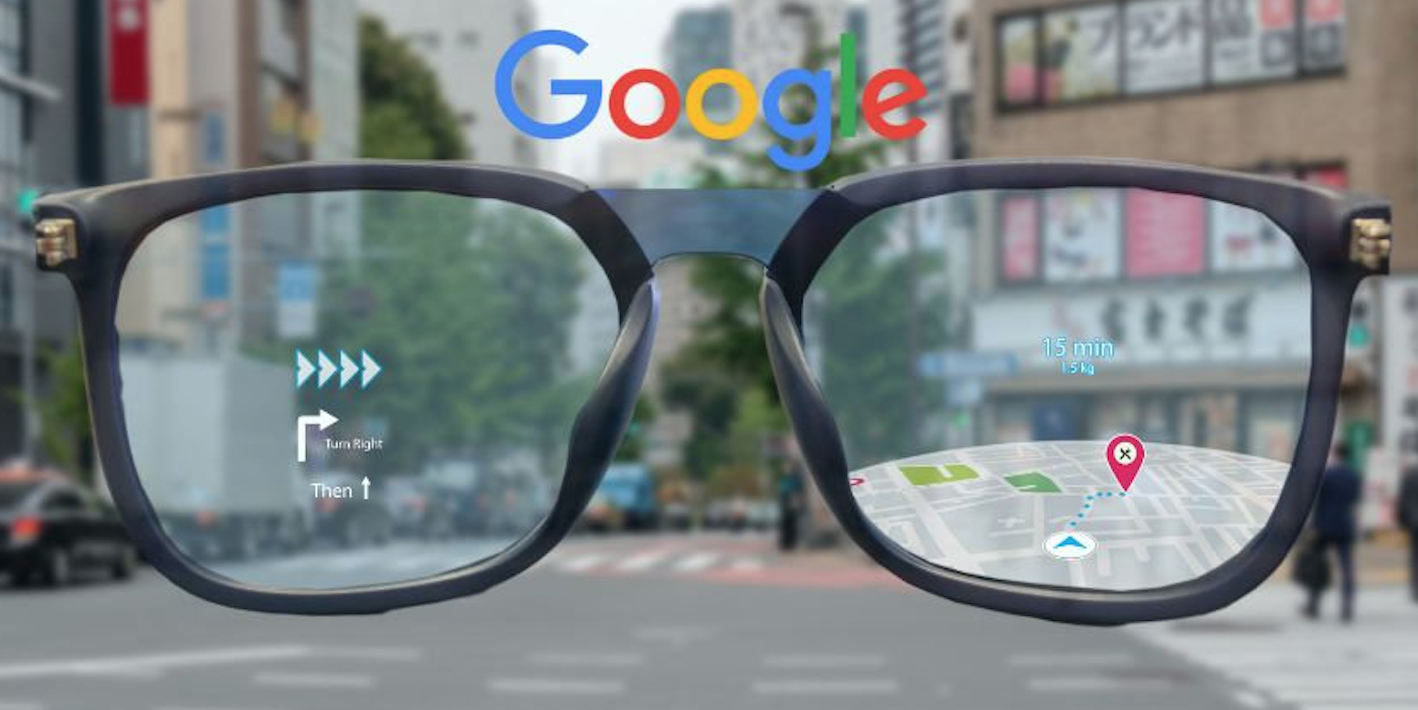
For a long time, people have been talking about “smart glasses.” We saw them in movies, and we even saw early versions like Google Glass many years ago. But those early ones were more like a science project than something you would actually wear every day. Now, things are getting very exciting. In the world of Emerging Gadgets, Google is making a big comeback with its new XR (Extended Reality) glasses.
XR is a big word that combines Virtual Reality (VR) and Augmented Reality (AR). It means you can see the real world in front of you, but with digital images and information floating on top of it. In this guide, we will look at what makes these Google XR Gadgets special and how they might change the way we live, work, and play in 2026.
What Exactly are Google XR Glasses?
Unlike the big, heavy headsets we use for gaming (like the Quest), Google’s new XR glasses are designed to look like… well, glasses. They are light, stylish, and you can wear them to the grocery store or the office without looking like a robot.
- Project Iris Evolution: This was the secret name for Google’s glasses project. The goal was to put the power of a computer into a pair of frames that weigh almost the same as normal sunglasses.
- Micro-LED Screens: These glasses use tiny screens that are so small you can’t even see them, but they project a clear image onto the glass in front of your eyes.
The Power of “Visual Search”
The coolest thing about Google XR Gadgets is how they use Google Search. Imagine you are walking in a park and you see a beautiful flower, but you don’t know its name.
- How it works: You just look at the flower and ask your glasses. Using a tiny camera and AI, the glasses identify the flower and show its name and facts right in your field of vision.
- Translation in Real-Time: If you are traveling in a foreign country and see a menu in a language you don’t speak, the glasses will “translate” the text on the paper into English as you look at it. It’s like having subtitles for real life!
Comparison: Old Google Glass vs. New Google XR (2026)
|
Feature |
Old Google Glass (2013) |
New Google XR (2026) |
|
Design |
Looked like a tech tool |
Looks like normal fashion glasses |
|
Battery Life |
1 to 2 hours |
All-day battery (8+ hours) |
|
Main Use |
Taking photos / Reading texts |
Real-time AI and Live Translation |
|
Control |
Touchpad on the side |
Voice, Eye-tracking, and Hand gestures |
|
Connectivity |
Had to be near a phone |
Works independently with 5G |
The New Android XR Platform
Google isn’t just making the hardware; they are making the software too. Just like most phones run on Android, Google has built Android XR. This is a special version of Android made specifically for glasses.
- App Ecosystem: This means your favorite apps like Google Maps, YouTube, and WhatsApp will have special “XR versions.”
- Navigation: When you use Google Maps, you won’t have to look down at your phone. Instead, you will see blue arrows painted on the actual sidewalk in front of you, showing you exactly where to turn.
- Multi-Tasking: You can have your email inbox floating on your left and a YouTube video floating on your right while you are actually washing the dishes or sitting on a bus.
Why 2026 is the Right Time
You might wonder, “Why is this happening now?” The answer is that emerging gadgets in 2026 are equipped with significantly improved batteries and far more powerful, faster processors.
- 5G and 6G Speed: The internet is now fast enough to send huge amounts of data to your glasses instantly.
- Better AI: In the past, the glasses didn’t “understand” what they were seeing. Today, Google’s Gemini AI is smart enough to recognize objects, people, and places in a split second.
- Cloud Computing: Most of the heavy “thinking” is done on Google’s powerful servers, not inside the glasses. This keeps the glasses cool and lightweight.
Privacy: The Big Question
Whenever a gadget has a camera on your face, people get worried. Google has learned a lot from the past. In 2026, they are taking privacy very seriously.
- Privacy Lights: Whenever the camera is active, a bright LED light on the frame turns on so people around you know they are being “seen.”
- On-Device Processing: Most of your private data, like your face and your home layout, is stored only on the glasses. It doesn’t get sent to the cloud unless you ask it to.
- Permissions: Just like on a phone, you have to give apps permission to use the camera or the microphone.
Who are these glasses for?
Google is targeting three main groups of people with these Google XR Gadgets:
- Travelers: For people who want to explore new cities without getting lost or struggling with language barriers.
- Remote Workers: For people who want a “virtual office.” You can have three giant computer monitors in front of you while you are sitting at a small coffee shop table.
- Accessibility Users: These glasses are a huge help for people who are hard of hearing (they can see “closed captions” of what people are saying) or for people with low vision who need things magnified.
[Image showing an office worker using XR glasses to see three virtual floating computer screens in a small workspace]
What to Look for (Buying Guide)
If you are planning to buy these glasses when they hit the stores, keep these things in mind:
- Prescription Lenses: Google has partnered with big eyewear brands so you can get these glasses with your actual eye prescription.
- Weight: Make sure the model you choose feels comfortable. Even an extra 10 grams can feel heavy after wearing them for five hours.
- Brightness: If you spend a lot of time outdoors, make sure the lenses are “High-Nit,” which means the digital images will stay clear even in bright sunlight.
Conclusion
The era of looking down at our phones for six hours a day is slowly coming to an end. Emerging Gadgets like Google’s XR glasses are designed to bring our eyes back up to the world. They don’t want to replace your life; they want to make your life easier by giving you the right information at the right time.
While we are still in the early days of this technology, the shift toward Google XR Gadgets feels real this time. Whether you use them for work, travel, or just to have fun, these glasses are set to be the most important tech upgrade of the decade. It’s time to stop looking at screens and start looking through them.