
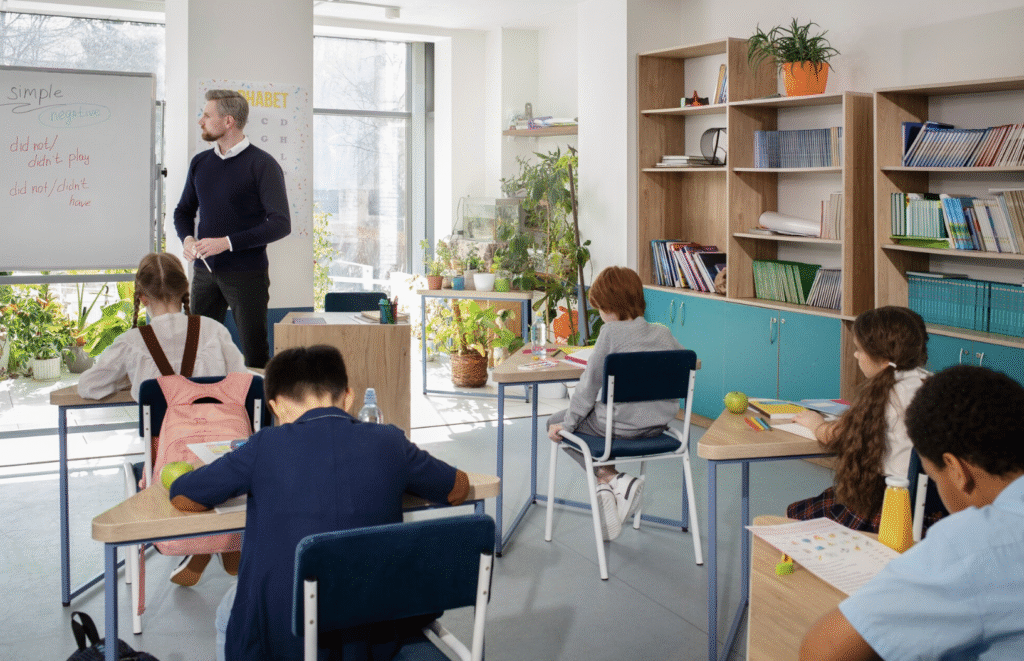
A positive learning environment is the backbone of successful teaching and meaningful learning. When students feel respected, safe, and encouraged, they are far more likely to participate actively, think creatively, and perform at their best academically. Beyond grades, a supportive classroom atmosphere nurtures confidence, collaboration, and emotional growth, skills students carry well beyond school.
Below is a complete, SEO-friendly guide for educators on how to create a classroom environment where students feel motivated, included, and ready to learn.
1. Build Genuine Connections with Students
Strong teacher–student relationships set the tone for a positive classroom. When learners feel known and valued, trust grows naturally.
-
Learn who your students are: Understand their interests, strengths, and challenges. Even small gestures—remembering a hobby or asking about their day-make a big difference.
-
Practice active listening: Give students your full attention when they speak. Feeling heard boosts confidence and participation.
-
Encourage open dialogue: Create opportunities for students to share ideas, ask questions, and express opinions without fear.
2. Create a Safe, Respectful, and Inclusive Classroom
Students learn best in environments where they feel emotionally and physically secure.
-
Set clear expectations together: Develop classroom rules with student input to encourage responsibility and respect.
-
Address bullying immediately: Make it clear that discrimination, harassment, or teasing is unacceptable.
-
Celebrate differences: Embrace cultural, linguistic, and learning diversity through inclusive lessons and activities.
3. Design a Classroom That Inspires Learning
The physical setup of your classroom can greatly influence student engagement.
-
Use flexible seating: Options like group tables, standing desks, or quiet corners help meet different learning needs.
-
Showcase student work: Displaying projects and assignments builds pride and motivation.
-
Add calming elements: Natural light, plants, and soft colors can reduce stress and create a welcoming space.
4. Reinforce Positive Behavior
Focusing on positive actions encourages students to repeat them.
-
Recognize good behavior: Praise effort, cooperation, and improvement rather than only correcting mistakes.
-
Lead by example: Model kindness, patience, and respect in every interaction.
-
Promote peer encouragement: Group work and peer support activities strengthen classroom relationships.
5. Plan Engaging and Meaningful Lessons
An engaging classroom is one where students want to participate and learn.
-
Use active learning techniques: Discussions, hands-on projects, and problem-solving activities improve retention.
-
Differentiate instruction: Adjust teaching methods to suit various learning styles and ability levels.
-
Connect learning to real life: Showing how lessons apply outside the classroom boosts relevance and interest.
6. Encourage Student Ownership and Independence
When students feel responsible for their learning, motivation increases.
-
Offer choices: Let students decide how they present their learning projects, presentations, or creative assignments.
-
Promote collaboration: Group tasks and peer feedback help build teamwork and communication skills.
-
Encourage reflection: Help students set goals and track their own progress.
7. Foster a Growth Mindset
A growth mindset teaches students that progress comes from effort and persistence.
-
Praise effort over ability. Focus feedback on strategies, improvement, and hard work.
- Embrace mistakes as part of the process, see them not as setbacks, but as valuable lessons that drive growth.
-
Celebrate progress. Recognize small wins to keep students motivated.
8. Support Emotional and Social Development
Academic success is closely tied to emotional well-being.
-
Integrate social-emotional learning (SEL): Teach empathy, self-awareness, and emotional regulation.
-
Introduce mindfulness practices: Simple breathing exercises or short movement breaks can improve focus.
-
Teach conflict resolution: Help students manage disagreements calmly and respectfully.
9. Provide Consistent Support and Constructive Feedback
Students thrive when they know support is always available.
-
Give timely feedback: Clear, specific feedback helps students understand how to improve.
-
Check in regularly: Short conversations or surveys can reveal academic or emotional concerns.
-
Offer extra help when needed: Tutoring, additional resources, or adapted assignments ensure no student is left behind.
10. Involve Parents as Learning Partners
Parental involvement strengthens the learning environment both at home and at school.
-
Maintain regular communication: Share updates through emails, meetings, or newsletters.
-
Invite participation: Encourage parents to join school events or classroom activities.
-
Set shared goals: Collaborating with parents reinforces consistency and support for students.
Final Thoughts
Creating a positive learning environment is an ongoing process that blends strong relationships, inclusive practices, engaging instruction, and emotional support. When classrooms are built on respect, encouragement, and curiosity, students don’t just perform better academically; they develop confidence, resilience, and a lifelong love of learning.
By intentionally shaping your classroom culture, you empower students to reach their full potential and prepare them for success beyond the classroom walls.