
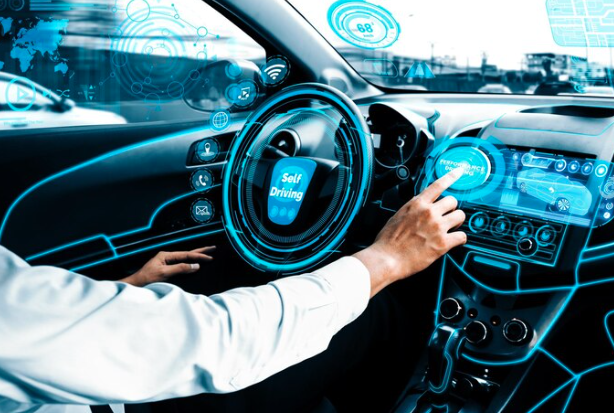
Level 4 self-driving cars represent a huge leap forward in autonomous tech. Based on the SAE International guidelines (the worldwide standard everyone uses), Level 4 is called “high automation.” The car takes full control of every driving job-steering, speeding up or slowing down, watching surroundings, signaling, and making smart choices-without needing any help from a person inside.
Operational Design Domain

Simply put: in certain clearly set areas or conditions (known as the Operational Design Domain, or ODD), the vehicle drives itself completely and safely. These are usually mapped-out city neighbour-hoods, specific routes, or good-weather urban spots. If the car hits the boundary of its zone-like entering unmapped roads, facing extreme weather, or dealing with major roadwork-it automatically finds a safe spot to stop, all on its own. No one has to grab the wheel.
This sets it apart from:
- Everyday cars today (mostly Level 2):
- They help with things like staying in lane or adaptive cruise, but a human must always stay alert and ready to drive.
- Level 3 (like some Mercedes highway features):
- The car can handle driving in narrow situations, but it might suddenly hand control back to the person, who needs to be prepared.
- Level 5 (true full autonomy):
- The car can drive absolutely anywhere, in any weather or road type, with no limits—no steering wheel, no pedals, nothing. As of early 2026, no vehicle has reached Level 5 yet; it’s still a long-term dream.
Many Level 4 cars feel super modern-lots of robotaxis skip the steering wheel and pedals entirely because a human never drives them.
What’s Happening with Level 4 in the Real World (Early 2026 Update)

Level 4 is no longer just testing; it’s carrying real passengers in several places, mainly through robotaxi (driverless taxi) services and some shuttles. These aren’t usually cars you can buy for personal use yet-they’re mostly shared rides in limited city zones.
Leading examples right now:
- Waymo (from Google/Alphabet):
- The biggest player in the US, offering fully driverless rides in expanded areas of Phoenix, San Francisco, Los Angeles, and more cities. No safety driver inside; the car does everything in well-mapped urban spots. They’re planning launches in places like London soon.
- Zoox (owned by Amazon):
- Runs unique boxy robotaxis (no wheel or pedals) in parts of San Francisco, Las Vegas, and testing in other US cities like Austin and Miami. They’re slowly growing their service areas.
- Baidu Apollo Go (and similar Chinese firms like WeRide, Pony.ai):
- Dominating in China with huge fleets in cities like Beijing, Wuhan, Guangzhou, and more. They’ve given millions of rides and are pushing into places like the UAE, Singapore, and Europe for 2026 trials.
- Other pilots:
- Cruise (GM) has had restarts after earlier issues; VW/MOIA and others test in Europe (like Hamburg); companies like May Mobility run shuttles.
Some personal car options are emerging:
- Mercedes offers Level 4 automated parking in select models.
- Tesla’s Cybercab (a two-seater robotaxi with no controls) is targeted for production starting around mid-2026, first in places like Texas, with plans to expand robotaxi services.
- Lucid and others partner for Level 4 tech, possibly for private buyers soon.
These all stick to “geofenced” zones-downtown districts, campuses, airports, or set paths-at moderate speeds with detailed maps and predictable traffic.
Why Level 4 Feels So Promising

- Much safer in those controlled spots (cuts out human mistakes like texting or tiredness).
- Ideal for shared rides, deliveries, campus shuttles, or moving goods reliably.
- Could lower ride costs long-term (no driver salary).
- Collects tons of real data to make the tech even better over time.
What’s Still Holding It Back from Being Everywhere

- Strictly limited to the ODD-no going on highways, in bad rain/snow, or unknown rural areas.
- Relies on expensive, top-notch sensors (cameras, radar, lidar), strong onboard computers, and regular software updates.
- Rules differ a lot by country or even city-getting approvals takes patience and testing.
- Building detailed maps and handling rare surprises (edge cases) is tough and costly.
- In places like Pakistan or many developing areas, infrastructure, roads, traffic chaos, and regulations mean Level 4 is still far off-focus there is more on basic safety tech for now.
Conclusion
As of January 2026, Level 4 is working well and growing quickly for robotaxis in big US and Chinese cities, plus pilots elsewhere. Everyday owned cars are mostly Level 2 with some Level 3 features. True Level 5-driving anywhere like a human-remains years in the future.