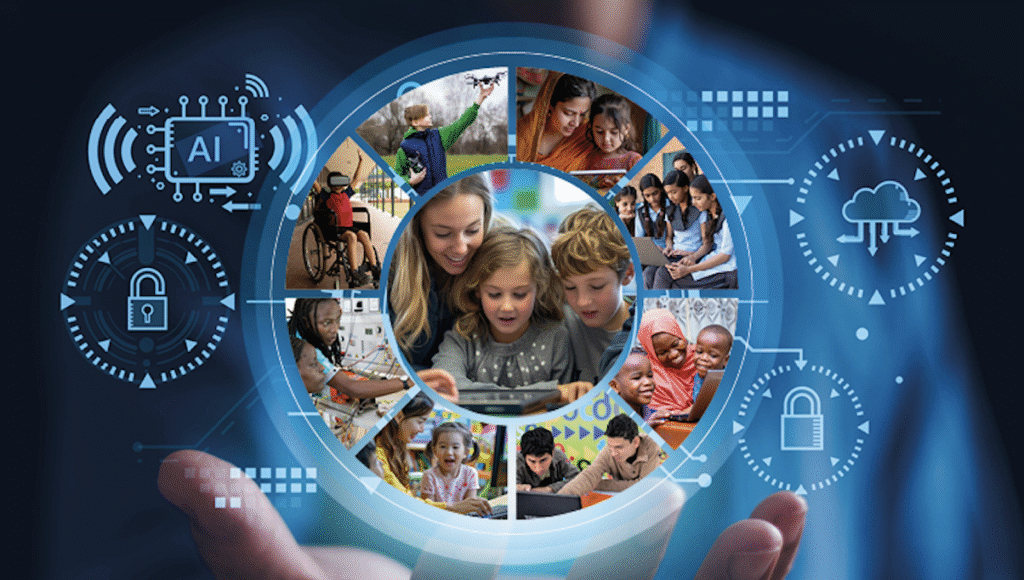
The internet has fundamentally reshaped education, making learning more accessible, dynamic, and personalized than ever before. By providing instant access to global knowledge and interactive platforms, it has shifted education from a confined, standardized experience to a flexible and continuous journey.
Access to Unlimited Learning Resources

The internet offers an unprecedented wealth of educational materials. Digital libraries provide free access to millions of books, academic journals, and research papers. Video platforms host tutorials and lectures that visually simplify complex topics, catering to diverse learning styles. These resources are available around the clock, allowing students to learn at their own pace and on their own schedule.
Online Learning Platforms and Courses

E-learning platforms enable structured education from anywhere in the world. Learners can enroll in courses offered by top universities, often at low or no cost, and earn certifications that enhance academic and professional profiles. These platforms allow individuals to learn at their own speed, building confidence and mastery in new subjects while supporting lifelong skill development.
Improved Communication and Collaboration

The internet bridges the gap between teachers and students, facilitating continuous dialogue. Email and messaging apps allow for quick question-and-answer exchanges, while discussion forums encourage peer-to-peer learning. Tools like shared documents and virtual classrooms make group projects seamless, enabling real-time collaboration regardless of location.
Personalized Learning Experiences

Adaptive learning tools analyze data to tailor education to individual learning needs. These tools assess a student’s strengths and weaknesses, then adjust lessons accordingly-providing extra practice in challenging areas while advancing quickly through familiar material. This customized approach helps improve comprehension and academic outcomes over time.
Distance Learning and Global Education Access

Geographical and economic barriers to education are diminishing. Virtual classrooms allow students in remote or underserved regions to access high-quality instruction. Furthermore, online courses expose learners to diverse cultures and perspectives, creating a more inclusive and globally aware educational environment.
Development of Research and Critical Thinking Skills

With vast information readily available, students can compare sources, analyze different viewpoints, and develop well-supported arguments. This process nurtures independent research skills and critical thinking, equipping learners to navigate and evaluate the digital world responsibly.
Interactive and Engaging Learning Methods

Digital education employs interactive tools such as simulations, virtual labs, and gamified quizzes to make learning active and enjoyable. These methods increase engagement, reinforce knowledge through practice, and help students retain information more effectively.
Support for Teachers and Educators

Educators also benefit from online resources, including ready-made lesson plans, professional development courses, and global teaching communities. These tools help teachers enhance their methods, stay updated on best practices, and bring fresh ideas into the classroom.
Time Management and Learning Flexibility

Online education supports varied schedules, allowing learners to balance studies with work or personal commitments. Recorded lectures and self-paced modules enable students to revisit material as needed, reducing stress and promoting better time management.
Digital study tools, including practice exams and instant feedback systems, help students prepare effectively. These resources build confidence and improve performance by simulating real test conditions and highlighting areas needing review.
Collaborative Learning Through Digital Communities

Online learning communities connect students worldwide, fostering the exchange of ideas and resources. Through forums and group projects, learners develop teamwork skills and deepen their understanding collectively.
A Library Without Walls: The Democratization of Knowledge
 The internet’s most profound gift is the universalization of access. It has dismantled the physical and economic barriers that once restricted high-quality information to well-funded institutions.
- Unprecedented Accessibility: Scholarly articles, primary historical sources, and expert lectures are available globally, often at no cost. This levels the playing field, allowing a curious mind in any location to engage with the same resources as a student at a premier university.
- The End of the Curiosity Dead-End: Questions no longer go unanswered due to a lack of reference materials. The immediate availability of information-from simple facts to complex tutorials-validates curiosity and encourages a deeper, more question-driven approach to learning.
Conclusion: The Internet as an Educational Backbone

The internet serves as the foundational infrastructure of modern education. It connects learners to limitless opportunities, supports personalized and collaborative growth, and promotes global accessibility. By enabling smarter, more inclusive learning, the web is driving educational excellence and innovation worldwide, ensuring that anyone with curiosity and connectivity can pursue knowledge.