
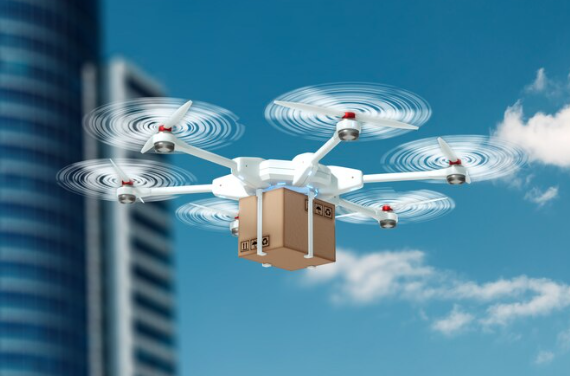
Autonomous delivery networks are rapidly changing how goods move through cities. They depend on driverless drones and smart ground robots. As a result, deliveries become quicker, safer, and more reliable. Moreover, companies lower operating costs and reduce reliance on manual labor.
Consequently, last-mile logistics undergo a significant transformation.
How Autonomous Delivery Systems Work

Autonomous delivery systems operate using advanced artificial intelligence. They combine sensors, cameras, and navigation software. Additionally, GPS and computer vision help identify safe routes.
Therefore, packages reach customers with improved accuracy. Furthermore, automation maintains consistent delivery performance.
The Role of Delivery Drones

Delivery drones use aerial pathways to bypass ground traffic. They transport lightweight packages across short distances efficiently. For example, medical supplies reach isolated areas much faster. Likewise, food and online orders arrive within minutes. Thus, drones dramatically shorten delivery timelines.
Sidewalk Robots in Urban Delivery

Sidewalk delivery robots operate along pedestrian routes. They use cameras and sensors to detect obstacles. Therefore, they navigate safely around people and vehicles. These robots specialize in short-distance neighbour-hood deliveries. As a result, traffic congestion and emissions decline in urban areas.
Key Benefits of Autonomous Delivery Networks

Autonomous delivery systems offer several business advantages. First, automation cuts labor and fuel expenses significantly. Next, electric vehicles reduce environmental impact. Moreover, real-time tracking improves delivery precision. Consequently, customers enjoy faster and more dependable service.
Technologies Driving Autonomous Deliveries

Cutting-edge technology powers autonomous delivery networks. Artificial intelligence supports instant decision-making. Meanwhile, machine learning enhances route efficiency over time. Additionally, sensor integration improves navigation accuracy. Thus, systems adapt smoothly to changing surroundings.
Safety Measures and Regulatory Frameworks

Safety remains essential in autonomous delivery development. Engineers include collision detection and emergency response features. Therefore, risks to pedestrians and property stay minimal. Meanwhile, governments regulate drone flight paths and operations. As a result, public confidence continues to increase.
Environmental Benefits and Sustainability

Autonomous delivery supports environmentally responsible logistics. Electric drones and robots operate without direct emissions. Therefore, air quality improves in crowded cities. Additionally, optimized routes lower overall energy usage. Consequently, logistics become more sustainable over time.
Barriers to Widespread Adoption

Despite progress, several challenges remain. Weather conditions can limit drone reliability. Similarly, urban infrastructure may slow expansion. However, continuous innovation addresses these issues. As a result, global adoption keeps growing steadily.
The Future of Autonomous Delivery Networks

Autonomous delivery will soon become a logistics standard. Technological improvements will enhance speed and coverage. Meanwhile, smart city integration will accelerate deployment. Furthermore, businesses will expand autonomous fleets worldwide. Ultimately, drones and robots will reshape the future of delivery services.