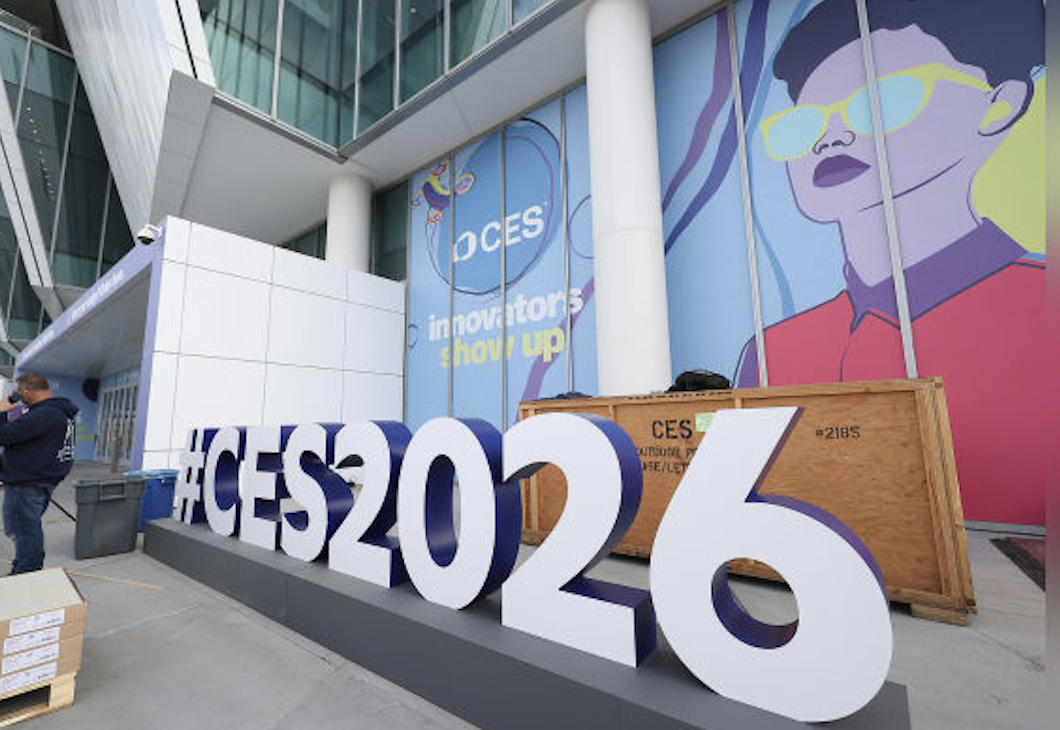
CES 2026 showcased a bold vision for entertainment technology. Innovation dominated every stage and showroom. Moreover, brands focused on immersive, connected, and intelligent experiences. Therefore, entertainment evolved beyond screens and speakers. Instead, it embraced presence, emotion, and personalization.
Next-Generation Displays Redefining Visual Entertainment
Display technology reached stunning new heights. MicroLED screens delivered unmatched brightness and contrast. Meanwhile, flexible displays enabled foldable entertainment walls. Consequently, living rooms transformed into cinematic spaces. Furthermore, holographic panels added depth without headsets. As a result, visual storytelling felt more lifelike.
Immersive Audio Systems Creating Spatial Soundscapes
Audio innovation played a central role. Spatial sound systems adapted to room acoustics instantly. Additionally, AI-driven tuning optimized sound for each listener. Therefore, dialogue sounded clearer and richer.
Wireless surround setups removed complex installations. Ultimately, sound surrounded users naturally.
AI-Powered Entertainment Personalization
Artificial intelligence reshaped content discovery. Smart platforms analyzed mood, habits, and schedules. Then, systems curated shows, games, and music. Consequently, users saved time while enjoying better recommendations. Moreover, generative AI created adaptive storylines. Thus, entertainment responded dynamically to viewers.
Gaming Technology Advancing Interactive Experiences
Gaming innovation impressed global audiences. Cloud gaming reduced hardware limitations significantly. Meanwhile, edge computing minimized latency. Therefore, gameplay felt smoother and more responsive.
Haptic feedback suits enhanced physical immersion. Additionally, adaptive controllers improved accessibility.
Virtual Reality and Mixed Reality Breakthroughs
XR technology matured dramatically at CES 2026. Lighter headsets increased comfort and adoption. Meanwhile, mixed reality blended physical and digital worlds. As a result, games and concerts felt tangible. Furthermore, eye tracking improved realism and interaction. Hence, virtual experiences felt deeply personal.
Streaming Platforms Embracing Interactive Content
Streaming services evolved beyond passive viewing. Interactive episodes allowed viewers to influence outcomes. Additionally, live integration enhanced community engagement. Therefore, audiences felt involved rather than distant. AI subtitles improved accessibility across languages. Consequently, global reach expanded rapidly.
Smart Home Integration with Entertainment Ecosystems
Entertainment merged seamlessly with smart homes. Voice assistants controlled lighting, sound, and screens. Meanwhile, automation adjusted environments for content types. Thus, movie nights felt effortless. Moreover, gesture controls added convenience. As a result, homes responded intuitively.
Wearable Entertainment Devices Gaining Momentum
Wearables entered mainstream entertainment. AR glasses delivered notifications and media overlays.
Meanwhile, biometric sensors tracked emotional responses. Therefore, content adapted in real time. Additionally, lightweight designs improved daily usability. Hence, entertainment followed users everywhere.
Sustainable Entertainment Technology Innovations
Sustainability influenced entertainment design. Manufacturers used recycled and eco-friendly materials. Furthermore, energy-efficient chips reduced power consumption. Therefore, devices supported greener lifestyles. Longer product lifecycles reduced electronic waste. Consequently, innovation aligned with responsibility.
Content Creation Tools Empowering Creators
Creators gained powerful new tools. AI-assisted editing reduced production time. Meanwhile, real-time rendering improved visual quality. Thus, independent creators competed globally. Cloud collaboration streamlined team workflows. As a result, creativity scaled faster.
Social Entertainment and Metaverse Experiences
Social interaction defined entertainment trends. Shared virtual spaces hosted concerts and events. Meanwhile, avatars reflected realistic expressions. Therefore, social presence felt authentic. Blockchain verified digital ownership securely. Consequently, virtual economies expanded.
Health and Wellness Through Entertainment Tech
Entertainment supported wellness goals. Gamified fitness experiences motivated daily movement. Additionally, VR meditation reduced stress levels. Therefore, users balanced fun and health. Biofeedback enhanced relaxation content. Hence, technology improved well-being.
Security and Privacy in Entertainment Systems
Security remained a top priority. Advanced encryption protected user data. Meanwhile, on-device processing reduced cloud exposure. Thus, privacy concerns decreased. Parental controls improved content safety. Consequently, families trusted smart platforms.
Global Market Impact of CES 2026 Entertainment Tech
CES 2026 influenced global markets. Startups gained visibility alongside tech giants. Meanwhile, partnerships accelerated innovation cycles. Therefore, competition intensified worldwide. Consumer expectations rose sharply. As a result, brands focused on experience quality.
Conclusion: The Future of Entertainment Technology
CES 2026 redefined entertainment technology. Innovation emphasized immersion, intelligence, and connection. Moreover, experiences became more personal and inclusive. Therefore, entertainment transcended traditional boundaries. The future promises deeper engagement and creativity. Ultimately, technology and imagination now move together.